

Septic Safety
Residents and unincorporated areas surrounding the City of Twentynine Palms rely solely on groundwater for their daily needs, which comes from four underground basins that also overlap with neighboring districts. Since the city has no centralized sewer system, residents rely on septic systems to hold and treat the waste from their homes. The District recommends you “check your septic before it gets hectic.”
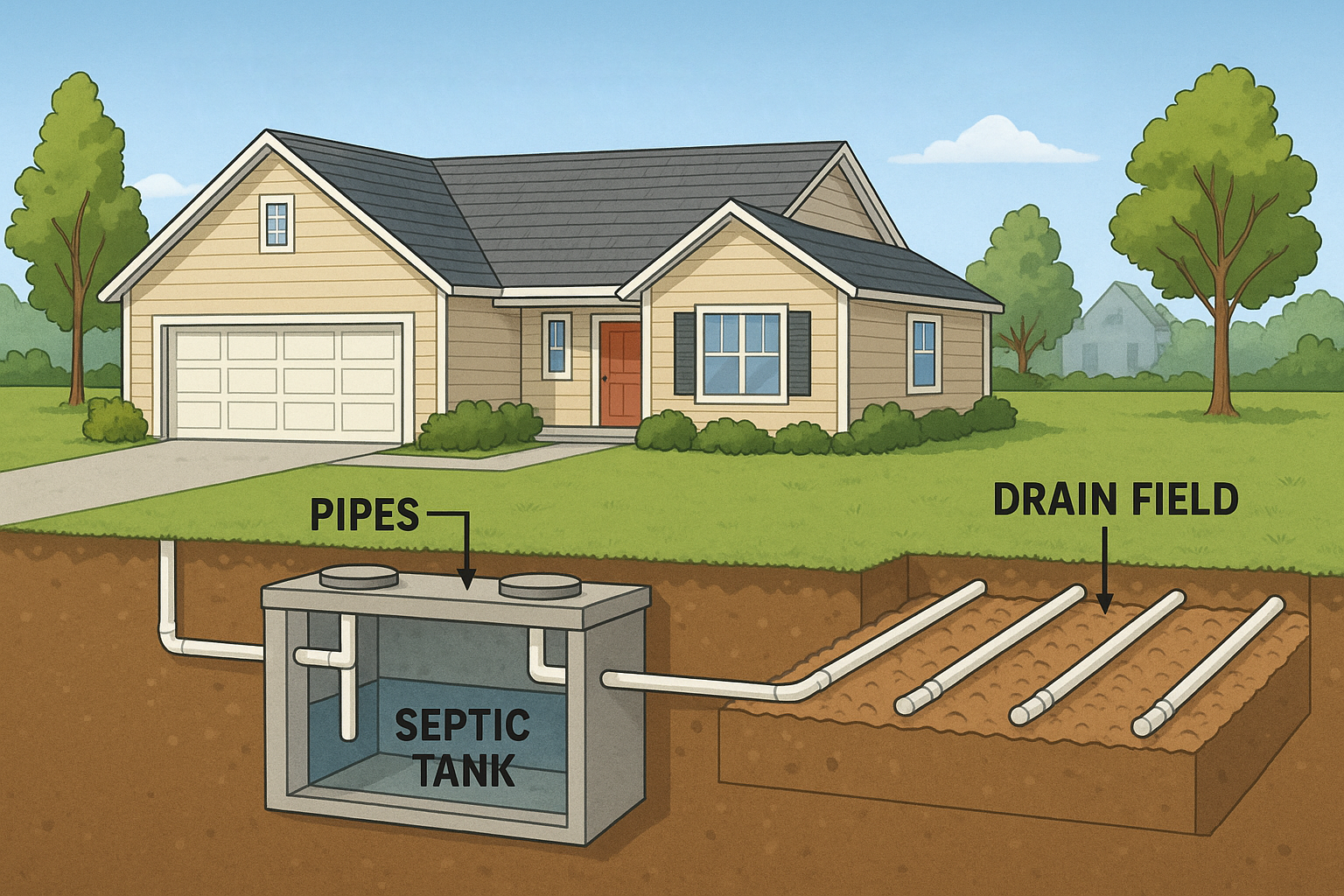
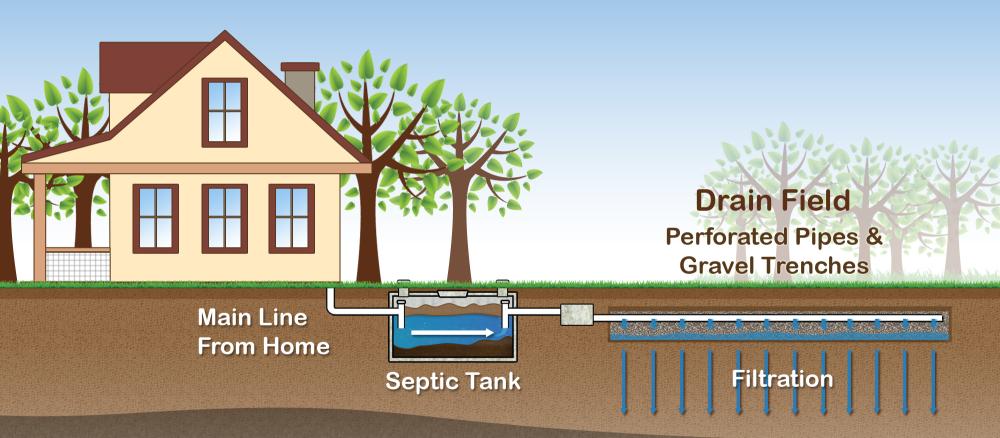
A standard septic system includes a septic tank and a drainfield. The tank breaks down organic matter and separates oils and solids from wastewater, while the remaining liquid flows into perforated pipes or chambers in the drainfield, where it’s safely and naturally filtered back into the soil.
Source: Blue Ribbon Septic
With septic systems come different responsibilities. Because the tanks hold waste underground, they can pose a severe risk to our groundwater basins if they are not properly maintained. It is crucial that everyone does their part in ensuring the safety and proper maintenance of their tanks to protect our only source of water.
Safe and responsible septic system upkeep comes down to a few key components:
With septic systems come different responsibilities. Because the tanks hold waste underground, they can pose a severe risk to our groundwater basins if they are not properly maintained. It is crucial that everyone does their part in ensuring the safety and proper maintenance of their tanks to protect our only source of water.
Safe and responsible septic system upkeep comes down to a few key components:
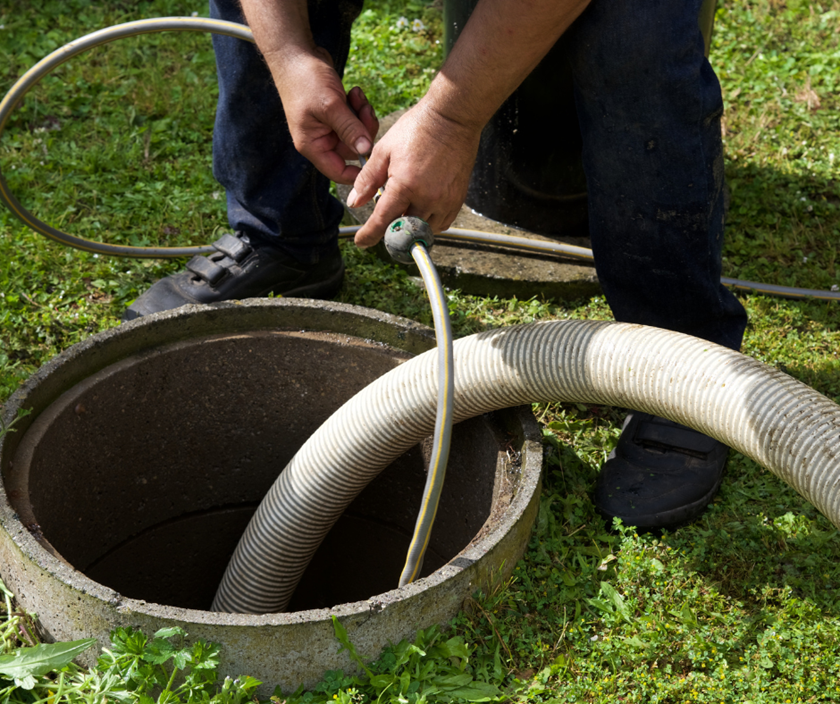
1. Routine Tank Maintenance: General household tanks are typically inspected every 3 years, but alternative systems with electrical or mechanical components should be inspected more often (as early as once a year).
General tanks typically are pumped every 3 years as well, but you may need to pump more frequently based on household size, total wastewater generated, the volume of solids in your wastewater, and septic tank size.
A professional should be able to advise you on your inspection and pumping schedule.
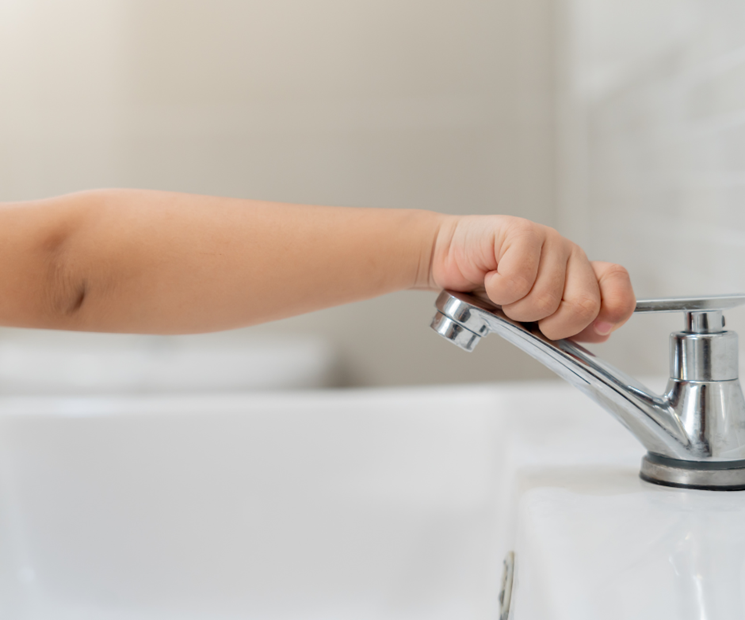
2. Conservation: All of the water that is used in a household in our area gets sent down to the septic system, making water conservation an important component of septic management.
Water conservation supports septic systems by reducing the workload on the tank and drain field, which improves performance, extends the system’s lifespan, and minimizes the risk of failure. Conserving water allows the solids to settle properly in the tank and the drain field to remain less saturated, so it can effectively filter waste. This also prevents issues like clogs, backups, and soil contamination.
The average indoor water use in a typical household can be up to 70 gallons per person per day, and that number is even higher if your home uses swamp coolers.
You can find water conservation tips on our website, our facebook page and in our quarterly newsletter.
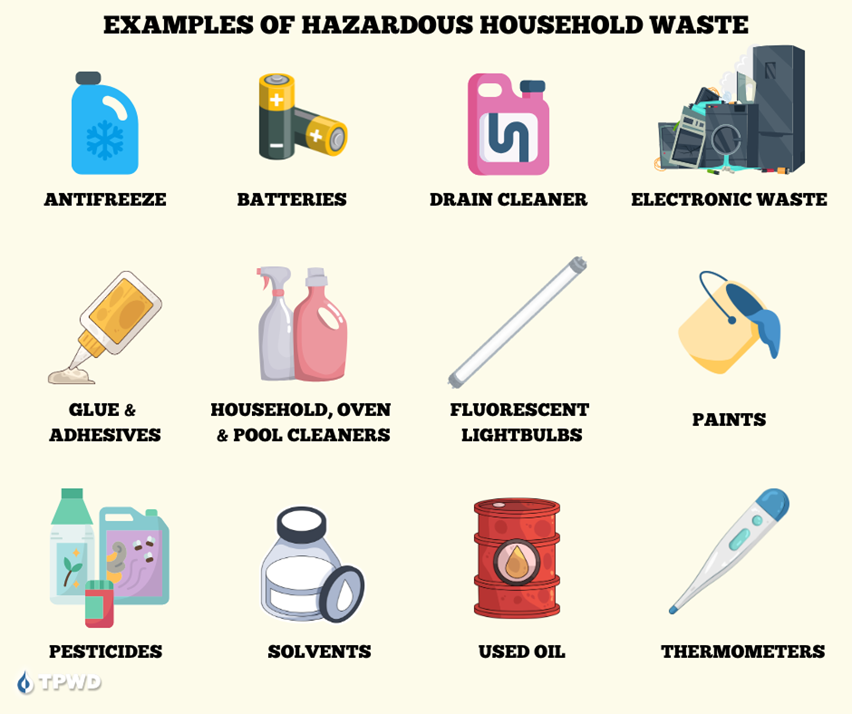
3. Proper Disposal of Hazardous Waste: Since everything that goes down your drain goes straight to your septic system, it’s important to make sure that only safe, non-toxic waste makes it there. Your septic system is not a trash can! Scape off food waste into the bin before washing dishes, and don’t flush anything besides human waste and toilet paper. Also, stay aware and properly dispose of common hazardous household waste that can pose a serious threat to our groundwater. Our graphic gives some examples of common household waste. For more information and types of waste, visit the Department of Toxic Substances Control’s website.
Locally, you can dispose of hazardous waste at several locations in San Bernardino County including a facility in Joshua Tree. Check the County’s website for the different locations, what types of waste they accept and their hours.
4. Drainfield Protection: Your drainfield is a network of underground pipes that treats your wastewater before it is returned to the environment and is an important part of your system. Know where your drainfield is, and do not park cars, plant trees or place any drainage systems in that area. Excess water slows down the wastewater treatment process, and parking cars or planting trees in the area can damage your system.
You can get more tips and quarterly reminders by subscribing to our TPWD newsletter. You can also read more about septic tanks and how to properly maintain them on the EPA’s SepticSmart website.
In the Twentynine Palms area, there are several septic maintenance providers that can help you with the steps outlined above and ensure your system is in good working order. While TPWD does not sponsor or partner with any of these providers, we have compiled a list of some local businesses for your convenience. Find their websites and contact information below for more information:
Van Dyke Corporation Anytime Septic Service- (760) 367-9151
US Rooter Service & Bill June Plumbing– (760) 367- 2553
A-Plus Septic and Drain
High Desert Septic- (760) 684-6962
Hi-Desert Plumbing– (760) 820-2164
Sewer & Septic Pros– (760) 660-4226